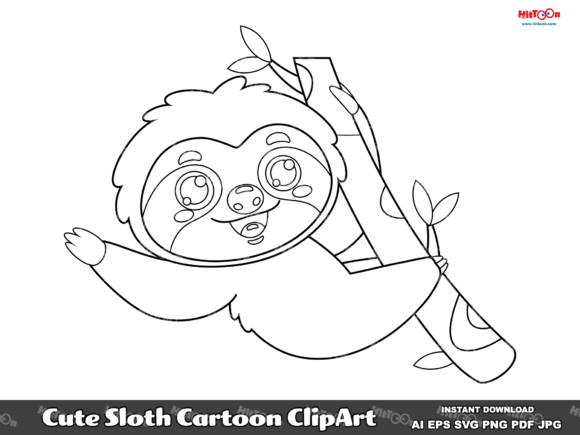
Cute Sloth Cartoon ClipArt: Creative Uses & Design Tips
In the fast-paced world of digital design and content creation, few visual elements offer the immediate psychological relief of cute sloth cartoon clipart. This specific niche of illustration has transcended its status as a mere internet meme to become a versatile asset for professionals across multiple industries. For designers, educators, and marketers, these illustrations serve a functional purpose beyond aesthetics. They act as visual anchors that soften complex information, create emotional connections with audiences, and inject personality into otherwise sterile layouts. Understanding how to leverage this imagery effectively requires moving past the novelty factor and treating it as a strategic design element.
The Functional Appeal of Slow-Living Imagery
The popularity of sloth-themed graphics is not accidental. In an era defined by burnout and digital saturation, audiences respond positively to symbols of rest, patience, and gentleness. When you incorporate cute sloth cartoon clipart into a project, you are signaling empathy. This is particularly valuable for brands and creators who need to balance professionalism with approachability. Unlike generic stock photography, illustrated clipart offers a stylized abstraction that feels personal without being intrusive.
From a technical design perspective, these assets are often created with scalability in mind. Whether rendered in flat vector styles, watercolor textures, or bold line art, they maintain clarity at various sizes. This makes them ideal for responsive web design where an icon might need to function equally well on a mobile app interface and a desktop banner. The inherent simplicity of cartoon sloths allows them to coexist with heavy typography or busy backgrounds without creating visual clutter, provided they are placed with intention.
Applications for Educators and Content Creators
Educators and instructional designers have found unique utility in this genre. Teaching complex or dry subjects often requires visual breaks to maintain engagement. A cute sloth cartoon can serve as a recurring mascot that guides learners through a curriculum. For example, in a course about time management or productivity, using a sloth character ironically can make the topic less intimidating. It transforms a lecture on efficiency into a relatable narrative about finding balance.
- Visual Pacing: Use illustrations to mark transitions between heavy text blocks or video modules.
- Mascot Development: Create a consistent character variant that appears in headers, footers, and worksheets to build brand recognition.
- Emotional Regulation: Deploy calming imagery in mental health resources or special education materials to reduce anxiety.
- Gamification Elements: Adapt clipart into badges, stickers, or reward icons for student achievement systems.
For bloggers and social media managers, these assets solve the perpetual problem of thumbnail generation. Text-heavy posts about wellness, parenting, or remote work benefit from a custom graphic that stops the scroll. Rather than using the same viral photo everyone else is sharing, customized clipart arrangements help establish a unique visual identity. The key is consistency; selecting a specific artistic style and sticking to it across all platforms builds a cohesive feed that followers instantly recognize.
Strategic Branding for Small Businesses
Small business owners and entrepreneurs often struggle to humanize their corporate communications. Cute sloth cartoon clipart offers a low-risk entry point for adding warmth to transactional touchpoints. Consider the unboxing experience for an e-commerce store. A simple thank-you card featuring a relaxed sloth illustration can elevate the perceived value of a purchase and encourage social sharing. Similarly, email newsletters that typically suffer from low engagement rates can be revitalized with friendly header art that sets a welcoming tone before the sales copy begins.
However, context is critical. This imagery works best for businesses aligned with comfort, care, creativity, or leisure. A spa, a children’s book publisher, a coffee shop, or a freelance writer’s portfolio are natural fits. Conversely, industries requiring high-speed precision or luxury exclusivity may find the aesthetic misaligned with their core value proposition. Always audit your brand voice before integrating whimsical elements to ensure they enhance rather than undermine your professional message.
Navigating Styles and Artistic Variations
Not all clipart is created equal, and selecting the right variation determines the success of your application. The market currently offers several distinct stylistic approaches, each serving different communicative goals.
Flat Vector and Minimalist
Characterized by solid colors, geometric shapes, and clean lines, this style is optimized for modern UI/UX design and corporate presentations. It reads quickly at small sizes and pairs seamlessly with sans-serif typography. Use this when clarity and professionalism are paramount, but you still want to avoid a sterile look.
Hand-Drawn and Watercolor
These variations feature textured brushes, organic lines, and softer palettes. They evoke nostalgia, craftsmanship, and authenticity. This style is exceptionally effective for print products like greeting cards, wedding stationery, or artisanal packaging. The imperfections in hand-drawn styles signal human effort, which resonates deeply with consumers seeking genuine connection.
Kawaii and Chibi
Featuring exaggerated proportions, large eyes, and pastel tones, this style targets younger demographics or niche pop-culture communities. While highly engaging, it carries a stronger risk of appearing juvenile. Reserve this aesthetic for projects specifically aimed at Gen Z, children’s entertainment, or gaming-related content where playfulness is the primary objective.
Best Practices for Effective Implementation
To maximize the impact of cute sloth cartoon clipart, treat it as a component of a larger design system rather than a standalone decoration. Organization and consistency are what separate amateur designs from professional work. Create a dedicated asset library with clearly labeled files indicating style, color palette, and intended use case. This prevents the common mistake of mixing incompatible art styles within a single project, which creates visual dissonance.
Pay close attention to negative space. Cartoons require breathing room to remain legible and impactful. Crowding a sloth illustration against text or other graphical elements diminishes its charm and creates cognitive load for the viewer. Instead, use the character to direct the eye toward important information. A sloth pointing at a call-to-action button or resting beside a pull quote serves a directional purpose while maintaining its decorative appeal.
Color adaptation is another essential skill. Most clipart packs come in preset palettes, but professional results often require customization to match existing brand guidelines. Learn to adjust hues and saturation levels so the artwork feels native to your project. If your brand uses muted earth tones, a neon-colored sloth will feel out of place regardless of how cute it is. Subtle recoloring ensures the asset supports your overall visual strategy.
Licensing and Ethical Usage
Practical creativity also involves respecting intellectual property. Always verify licensing terms before deploying any clipart in commercial projects. Personal use licenses do not cover client work, merchandise for sale, or monetized content. Investing in commercial rights or commissioning original artwork based on clipart inspiration protects your business from legal complications. Furthermore, supporting independent artists who create these assets sustains the creative ecosystem that makes such resources available.
When modifying purchased clipart, understand the boundaries of the license. Some creators allow color changes and resizing but prohibit altering the fundamental character design or reselling the asset as part of a new clipart pack. Reading the fine print is as important as choosing the right color scheme. Ethical usage builds trust with both your audience and the creative community.
Balancing Whimsy with Professional Intent
The ultimate measure of success when using cute sloth cartoon clipart is whether it serves your communication goals. Every visual choice should answer a specific need: Does this clarify the message? Does it reinforce the brand voice? Does it improve the user experience? When the answer is yes, the clipart earns its place in the layout. When the answer is merely "it looks nice," reconsider its necessity.
Effective design is intentional design. By approaching these playful assets with professional rigor, you unlock their full potential as tools for connection, education, and branding. The sloth may symbolize slowness, but the strategic application of its likeness can significantly accelerate audience engagement and message retention. Keep your files organized, your style consistent, and your purpose clear, and this charming visual resource will continue to deliver value across diverse creative projects.