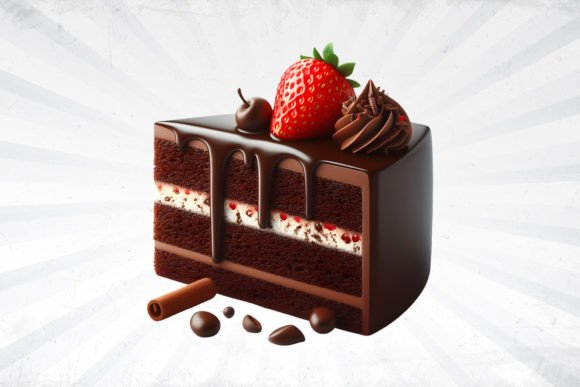
Maximizing the Impact of a Chocolate Cake Slice Isolated Image in Digital Design
A high-quality chocolate cake slice isolated image is one of the most versatile assets in food marketing, menu design, and content creation. By removing the background, this specific type of visual allows designers to place a decadent dessert against any color, texture, or layout without the distraction of a plate, tablecloth, or restaurant setting. For bloggers, bakery owners, and digital marketers, these images serve as instant focal points that drive appetite and engagement. However, the difference between a professional presentation and an amateur collage often lies in how well you select and implement this asset. Many creators assume that any cutout will suffice, but overlooking technical nuances can lead to jagged edges, color mismatches, and a loss of brand credibility.
Identifying Quality Beyond the Initial Preview
The most frequent mistake occurs during the selection phase. Thumbnails on stock photography sites or AI generation previews often look crisp at small sizes, but they rarely reveal the truth about edge integrity. When evaluating a chocolate cake slice isolated image, you must zoom in to 100% or higher to inspect the masking quality. Chocolate cake presents unique challenges for isolation because of its crumbly texture, powdered sugar dusting, and glossy ganache. Poorly processed cutouts often leave behind white halos, gray fringes, or unnaturally smooth edges where crumbs should be visible.
If the edges look like they were cut with a dull knife rather than carefully masked, the image will fail when placed on a dark background. This "halo effect" screams low-budget design and distracts from the deliciousness of the product. Always prioritize assets labeled as professionally retouched or verified. If you are creating your own isolations, invest time in refining layer masks using frequency separation or edge-refinement tools to preserve the organic imperfections of the cake’s texture. A perfect geometric edge on a rustic dessert looks artificial; retaining slight irregularities maintains realism.
Resolution and File Format Misconceptions
Another critical oversight involves assuming that file size equals quality, or that all transparent formats are created equal. Using a low-resolution JPEG with a checkerboard pattern superimposed is a common error among beginners; JPEGs do not support true transparency. You must ensure the asset is a PNG, TIFF, or PSD file with an active alpha channel. Furthermore, resolution requirements vary significantly by medium. A 72 DPI web image will appear pixelated and unappetizing if used in a printed menu or large-format banner.
- Web Use: Aim for 1500–2000 pixels on the longest side to ensure clarity on retina displays while keeping load times reasonable.
- Print Use: Verify the image is at least 300 DPI at the intended physical print size. Upscaling a small web image for print results in muddy textures and lost detail in the chocolate layers.
- Vector Alternatives: For scalable graphics like logos or icons incorporating cake elements, consider SVG or EPS files, though photographic realism requires high-res raster formats.
Ignoring these specifications leads to wasted budget on reprints or slow website performance due to unoptimized oversized files. Always check the technical metadata before downloading or purchasing.
Contextual Integration and Lighting Consistency
Even a perfectly isolated chocolate cake slice can look like a sticker pasted onto a webpage if lighting and perspective are ignored. A common pitfall is mixing light sources. If your website background has soft, diffused lighting from the left, but the cake image features harsh shadows cast to the right, the brain instantly registers the composition as fake. Before integrating the asset, analyze the direction, intensity, and color temperature of the light in the original photograph. Match this to your destination layout.
Perspective is equally important. Placing a top-down flat lay of a cake slice into a design that uses eye-level horizon lines creates visual dissonance. Ensure the camera angle of the isolated object aligns with the surrounding elements. If you cannot find a perfect match, use subtle drop shadows or reflection layers to ground the object. A floating cake slice lacks weight and presence. Adding a contact shadow—a tight, dark blur directly beneath the base—anchors the dessert and enhances three-dimensionality without requiring complex compositing skills.
Color Grading and Appetite Appeal
Chocolate is notoriously difficult to reproduce accurately across different screens and print processes. An image that looks rich and warm on a calibrated monitor may appear muddy, reddish, or desaturated elsewhere. Relying solely on the raw file without color correction is risky. Different cameras and editing styles produce varying interpretations of "chocolate brown." When combining multiple food assets, inconsistent white balance makes the collection look disjointed.
Apply global adjustment layers to harmonize the cake slice with your brand palette. Slightly boosting saturation and contrast often restores the appetizing quality lost during isolation. Be cautious of over-sharpening, which can make moist cake look dry or plastic-like. Instead, focus on mid-tone contrast to enhance the perception of texture and moisture. Remember that warm tones generally stimulate appetite more effectively than cool tones; ensure your color grading supports the sensory goal of the design.
Licensing, Ethics, and Practical Usability
Beyond aesthetics, legal and ethical considerations protect your business from future liability. Assuming that an isolated image found via search engines is free to use is a dangerous misconception. Even if the background is removed, the underlying photograph remains copyrighted. Always verify licensing terms. Royalty-free does not mean free of cost; it means free of recurring royalties after purchase. Editorial-use-only licenses prohibit commercial advertising, a restriction frequently violated in restaurant marketing.
Additionally, consider the inclusivity and accuracy of the representation. If you are selling a specific product, using a generic stock photo of a different recipe can mislead customers and damage trust. Ensure the visual matches your actual offering in terms of layer count, frosting style, and garnish. Authenticity builds long-term customer loyalty far better than a polished but inaccurate stock image. For educators and content creators, attributing the photographer properly is not just a legal requirement but a professional courtesy that supports the creative ecosystem.
Optimization for Performance Without Sacrificing Quality
High-resolution transparent PNGs are notoriously heavy files. Uploading a 5MB isolated cake slice directly to a website will devastate page speed and SEO rankings. Compression is mandatory, but aggressive compression introduces artifacts around transparent edges. Use modern tools designed specifically for alpha-channel optimization. Converting to WebP or AVIF formats can reduce file size by 30–50% compared to PNG while maintaining superior edge quality.
- Test multiple compression levels to find the sweet spot between visual fidelity and file size.
- Implement lazy loading so the image only downloads when it enters the viewport.
- Provide appropriate alt text describing the visual content for accessibility and semantic SEO value.
Neglecting optimization frustrates mobile users and increases bounce rates. A beautiful image that takes five seconds to load serves no business purpose. Balance aesthetic excellence with technical efficiency to ensure your chocolate cake slice isolated image performs as well as it looks.
Ultimately, success with isolated food imagery comes down to intentionality. Treat the asset not as a mere decoration but as a functional communication tool. By scrutinizing edge quality, respecting lighting physics, ensuring legal compliance, and optimizing for delivery, you transform a simple cutout into a powerful driver of engagement and conversion. The extra effort invested in proper evaluation and integration pays dividends in professionalism, audience trust, and visual impact.