Watercolor Safari Animal Clipart: Creative Uses
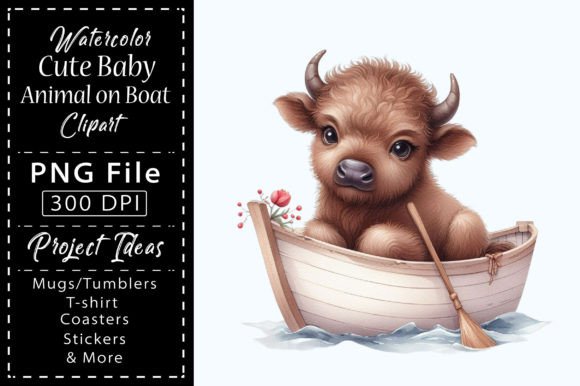
The soft, organic edges of watercolor art bring a unique warmth to digital design that vector graphics often cannot replicate. When applied to wildlife themes, watercolor safari animal clipart offers a versatile aesthetic that bridges the gap between playful illustration and sophisticated botanical art. For designers, educators, and small business owners, these assets are more than just decorative elements; they are foundational tools for storytelling. The hand-painted texture suggests authenticity and care, making them ideal for projects that require a personal touch without the time investment of creating original paintings from scratch.
Unlike flat digital illustrations, watercolor textures carry inherent visual weight and movement. The bleeding pigments and paper grain visible in high-quality scans add depth to any composition. This medium naturally evokes feelings of nostalgia, adventure, and tranquility. Whether you are designing a nursery print or branding an eco-tourism blog, the artistic style communicates a specific mood before the viewer even reads the text. Understanding how to leverage this emotional resonance is key to transforming generic stock assets into compelling visual communication.
Elevating Children’s Education and Publishing
Educators and self-publishers frequently turn to safari themes for early childhood learning materials. However, the market is saturated with bright, cartoonish vectors that can feel sterile. Watercolor safari animal clipart provides a gentler alternative that respects the intelligence of young learners while maintaining engagement. The realistic yet stylized nature of watercolor helps children recognize actual animals rather than abstract symbols, supporting cognitive development alongside literacy.
- Flashcards and Learning Binders: Use isolated animal illustrations against a clean white background to create distraction-free learning tools. The soft colors prevent overstimulation, which is particularly beneficial for neurodivergent learners.
- Storybook Illustrations: Combine individual clipart elements to build composite scenes. A lion painted in isolation can be placed next to watercolor acacia trees and grasses to create a full spread without needing to paint a complex landscape from scratch.
- Classroom Decor: Create cohesive wall displays by pairing animal illustrations with matching watercolor borders and name tags. This visual consistency helps define learning zones within a classroom environment.
When designing for print, always verify the resolution of your clipart. Watercolor relies on subtle gradients and texture details that degrade quickly at low resolutions. Ensure files are at least 300 DPI to preserve the integrity of the brushstrokes on physical paper.
Branding and Marketing for Nature-Inspired Businesses
For entrepreneurs in the travel, wellness, and sustainable goods sectors, visual identity must align with brand values. Watercolor safari animal clipart serves as an excellent anchor for brands emphasizing organic processes, ethical tourism, or natural products. The medium implies a connection to the earth and traditional craftsmanship, distinguishing your brand from corporate competitors using sleek, minimalist tech aesthetics.
Consider a boutique travel agency specializing in African safaris. Instead of relying solely on stock photography, which can sometimes look impersonal or overly commercial, integrating watercolor illustrations into social media templates and brochures creates a romanticized, dreamlike narrative. It invites the audience to imagine themselves in the scene rather than simply observing it. Similarly, makers of organic baby products or eco-friendly stationery can use these motifs to signal safety, gentleness, and environmental awareness.
Maintaining Brand Consistency
A common pitfall when using clipart is creating a disjointed visual experience. To maintain professionalism, curate your assets carefully. Do not mix watercolor styles indiscriminately. A loose, wet-on-wet elephant will clash with a tight, dry-brush zebra. Select a collection where the same artist or consistent technique was used across all animals. Additionally, establish a limited color palette. Even if the source files are multicolored, consider applying a duotone filter or adjusting saturation levels to match your specific brand guidelines. This ensures the clipart feels like a bespoke part of your identity system rather than an afterthought.
Digital Planning and Personal Creative Projects
The rise of digital planning and journaling has opened new avenues for utilizing safari-themed art. Digital creators and hobbyists value assets that can be layered endlessly without losing quality. In apps like GoodNotes or Procreate, transparent PNG watercolor animals serve as functional stickers that organize content while beautifying the page.
- Section Dividers: Use horizontal compositions of grazing animals to separate weeks or months in a digital planner. The organic shape breaks up rigid grid layouts effectively.
- Interactive Elements: For PDF planners, link watercolor icons to specific pages or external resources. The distinct visual style makes navigation intuitive and aesthetically pleasing.
- Social Media Templates: Create reusable Instagram story backgrounds featuring subtle watermark-style animals. This adds texture to text-heavy updates without compromising readability.
For those selling digital downloads on platforms like Etsy, bundling is essential. Customers rarely need just one giraffe; they need a habitat. Curate sets that include complementary flora, ground shadows, and varied poses. Providing pre-made color variations also increases the utility of your product, allowing buyers to customize their projects instantly.
Technical Considerations for Professional Results
Creativity thrives within technical constraints. To get the most out of watercolor safari animal clipart, you must understand file management and composition. Transparency is non-negotiable for professional design work. Always source or export files with alpha channels intact. White backgrounds should be removed meticulously; jagged edges around a delicate watercolor wash ruin the illusion of paint on paper.
Layering is another critical skill. Watercolor is inherently translucent. When composing scenes digitally, utilize blending modes like "Multiply" or "Overlay" to simulate the way real pigment interacts with paper and other layers beneath it. Placing a watercolor animal directly over a solid color block often looks artificial. Instead, place it over a textured paper background or a subtle gradient to allow the medium's characteristics to shine through.
Furthermore, respect licensing agreements. Just because an asset is available does not mean it is free for every use case. Commercial licenses vary significantly regarding print runs, digital resale, and trademark usage. Reading the fine print protects your business and supports the artists who create these valuable resources. Ethical usage is part of professional integrity.
Adapting Style for Diverse Audiences
Versatility is the hallmark of effective design. The same set of watercolor safari animal clipart can be adapted for vastly different demographics through styling choices. For a luxury wedding invitation suite, pair muted, sepia-toned animals with elegant serif typography and ample negative space. The result is timeless and refined. Conversely, for a children’s birthday party, increase the vibrancy and combine the animals with bold, hand-lettered fonts and confetti elements.
Accessibility should also guide your application. While watercolor is beautiful, its low contrast can pose challenges for visually impaired audiences. Always ensure sufficient contrast between text and illustrated backgrounds. Use animals as marginalia or focal points rather than text backdrops unless significant darkening or lightening is applied. Beautiful design must remain functional and inclusive to be truly successful.
Ultimately, the value of these assets lies in their ability to humanize digital spaces. In an era of AI-generated perfection and rigid geometry, the imperfect, fluid nature of hand-painted safari animals reminds us of the tangible world. By applying thoughtful curation, technical precision, and audience awareness, creators can transform simple clipart into meaningful visual experiences that resonate deeply with viewers. Whether educating a child, building a brand, or organizing a life, the gentle presence of watercolor wildlife brings a necessary breath of fresh air to our screens and pages.